Pleasure Island Sea Turtles
How You Can Help Protect Our Coastal Visitors
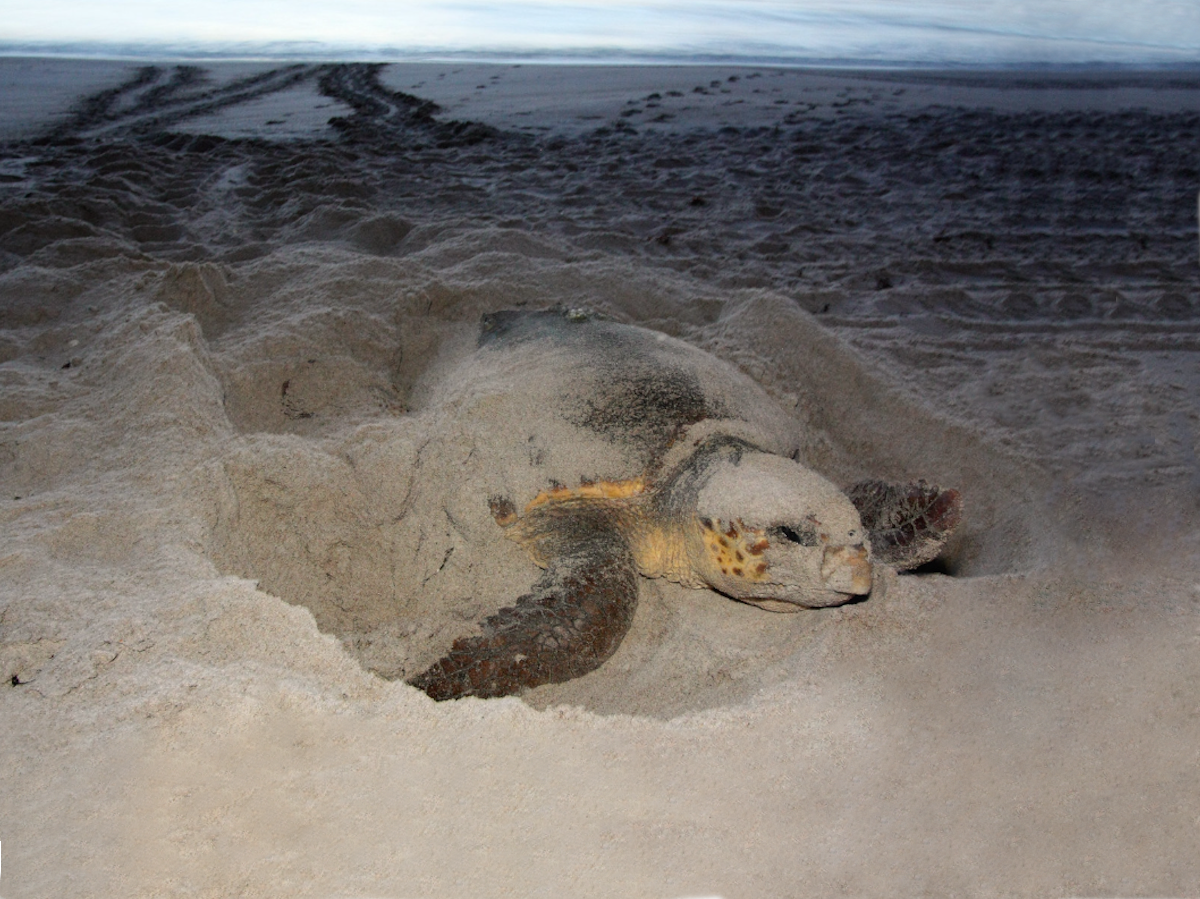
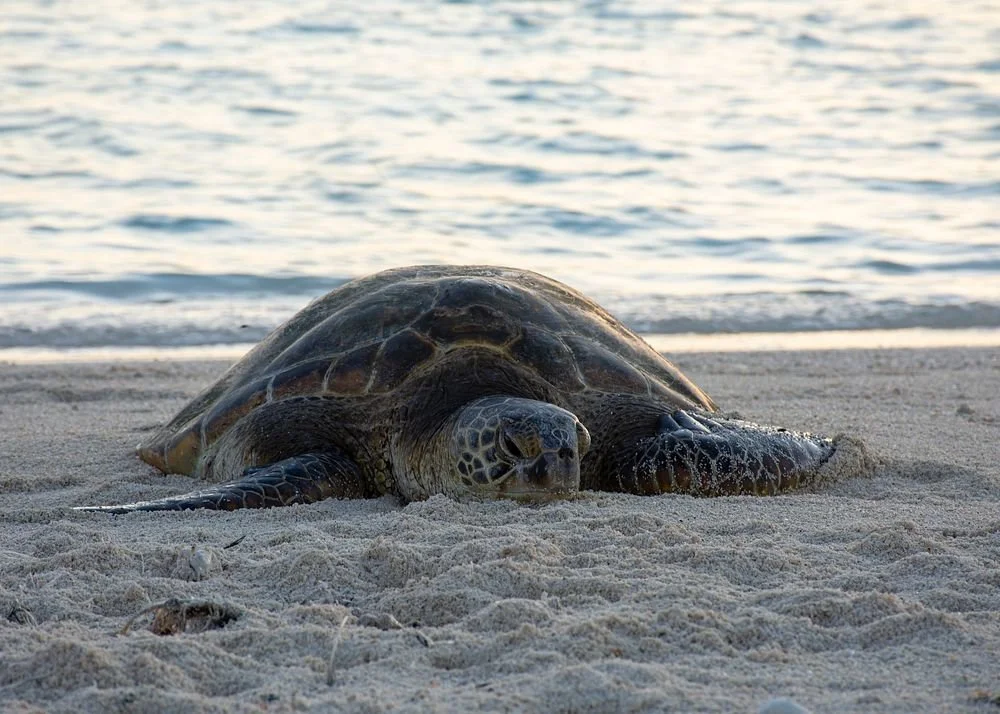
Every summer, Pleasure Island welcomes some very special visitors. Loggerhead sea turtles and other sea turtle species return to our coastline to nest, making the warmer months an incredible time to experience one of the area's most treasured natural traditions.
Behind the scenes, the Pleasure Island Sea Turtle Project works to help protect them. This local nonprofit is powered by dedicated volunteers who monitor nests, assist during hatchling season, educate the community, and help protect sea turtles throughout their life cycle.
Sea Turtle Nesting Season
From May 1 through August 31, volunteers patrol the beaches daily, covering the shoreline from the southern end of Kure Beach through Carolina Beach and north to Freeman Park.
They're watching for signs of nesting turtles, identifying and monitoring nests, and preparing for the tiny hatchlings that will eventually make their way toward the Atlantic.
If you're visiting during nesting season, you may notice marked-off areas along the beach. Give these nests plenty of space and never disturb stakes, tape, signs, or other protective materials.
Help Keep Our Beaches Turtle-Friendly
Sharing the beach responsibly is one of the easiest ways visitors can help protect nesting turtles and their hatchlings.
A few simple habits make a big difference:
Keep the beach dark. Turn off or dim beach-facing lights at night and close blinds or curtains when possible. Artificial light can disorient nesting turtles and hatchlings trying to find the ocean.
Fill in holes and flatten sandcastles. Before leaving for the day, return the sand to its natural condition so turtles don't become trapped or blocked.
Take your beach gear with you. Chairs, umbrellas, tents, toys, and other equipment should be removed from the beach each evening.
Stay off the dunes. Dunes are fragile, protected environments and an important part of our coastal ecosystem.
Give turtles plenty of room. If you're lucky enough to encounter a nesting turtle or hatchlings, watch quietly from a respectful distance and never touch, follow, or interfere with them.
Never use flash photography or bright lights around nesting turtles or hatchlings.
Keep trash off the beach. Pack out everything you bring and dispose of fishing line, plastics, and other waste properly.
What to Do if You See a Sea Turtle in Distress
If you encounter an injured, stranded, or distressed sea turtle, do not touch, move, or attempt to return it to the water.
Give the turtle plenty of space and contact trained responders for assistance.
Pleasure Island Sea Turtle Project Hotline: 888-290-1065
For emergencies, you can also contact local authorities by calling 911.
If You're Lucky Enough to See Hatchlings
Watching baby sea turtles make their way toward the ocean can be an unforgettable experience, but the best thing you can do is simply let nature take its course.
Stay back, keep lights and phone flashes off, don't pick up or redirect hatchlings, and follow any instructions provided by Sea Turtle Project volunteers who may be monitoring the nest.
Their journey to the water is an important part of their natural development, even when it looks like they could use a little help.
Vesta Tip
One of the best things you can do during a Pleasure Island vacation is follow the simple rule: leave the beach the way you found it. Pack up your gear, fill in holes, flatten sandcastles, turn off unnecessary lights, and give wildlife plenty of space.
And if you happen to witness a nesting turtle or hatchlings making their way to the Atlantic? Consider yourself incredibly lucky. Watch quietly, keep your distance, and enjoy one of those little moments that makes a Carolina Beach or Kure Beach vacation pretty unforgettable.
Protecting our coastline is something locals and visitors get to do together. A few thoughtful choices help ensure sea turtles can continue returning to Pleasure Island for generations to come.